


This informal CPD article, ‘Autistic Meltdowns: Understanding, Supporting, and Honoring Neurodivergent Experiences’, was provided by Yasmeen Alqallaf at Yasmeen Center, a Special Needs Training and Consultancy based in Kuwait.
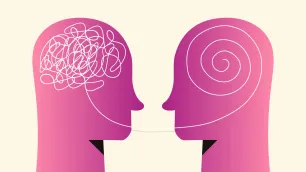
An autistic meltdown is not a behavior. It is not a tantrum, nor a choice, nor a manipulation. It is the nervous system’s loudest cry for help—a complete moment of overwhelm when the brain and body can no longer process the flood of sensory, emotional, and cognitive input. For autistic individuals, this is not misbehavior; it is survival. When viewed through a neurodiversity-affirming lens, meltdowns stop being something to “fix” and become something to understand.
An autistic scientist once wrote that people with autism live in a world that “often bombards them with overwhelming sensory input” (7). This statement captures the essence of what a meltdown is: a system under siege, a body trying to regulate when everything around it is too much.
Defining Autistic Meltdowns
According to the National Autistic Society, a meltdown is an “intense response to overwhelming situations” (1). During a meltdown, the individual loses temporary control over their behavior. They might cry, scream, pace, hit, or withdraw. What makes it unique is that it’s involuntary—the person does not choose it.
Studies emphasize that meltdowns should not be framed as outbursts to suppress but as manifestations of distress that require compassion and support (2). When someone’s sensory or emotional threshold is surpassed, their nervous system enters a protective state—a full-body alarm.
In short, an autistic meltdown is the body saying, “I cannot cope right now.” It is not a behavioral issue; it’s a biological and emotional overload.
Meltdown vs. Tantrum vs. Shutdown
While meltdowns may appear similar to tantrums, they differ fundamentally. A tantrum is goal-directed—it happens when a person wants something or is denied it, and it typically stops when they get their way or are comforted. A meltdown, however, is not under conscious control and does not stop because of reasoning or discipline (3).
Shutdowns, by contrast, are inward reactions—where a person becomes silent, immobile, or detached. Meltdowns are outward—explosive, vocal, physical. Both stem from overwhelm, but one implodes while the other erupts. Understanding this difference matters because mislabeling a meltdown as a tantrum can lead to punishment rather than support, creating trauma and shame.
The Neurobiological Mechanism
Modern neuroscience explains meltdowns through the autonomic nervous system (ANS). When the sensory and emotional load exceeds capacity, the sympathetic branch (fight or flight) takes over. Adrenaline surges, the heart races, and rational thought diminishes. The prefrontal cortex—the part responsible for reasoning—goes offline. The amygdala, which manages threat responses, dominates. This is why logic or instructions don’t work during a meltdown; the brain is in emergency mode. The goal, therefore, should never be control, but co-regulation.
Research on autistic adults describes meltdowns as “complete loss of control” accompanied by fear, physical pain, and emotional exhaustion (4). Most participants reported that meltdowns left them drained and ashamed—not because they misbehaved, but because others misunderstood what happened.
The Sensory and Emotional Landscape
For many autistic individuals, the world is louder, brighter, faster, and more unpredictable. What feels neutral to neurotypicals can feel unbearable to autistic nervous systems. Fluorescent lights can flicker like lightning; conversations overlap like chaos; a wool tag can burn like fire. Over time, small stressors accumulate until the system collapses.
An autism expert often described her own experiences of sensory overload as “being inside a speaker turned up too loud” (7). When she reached her limit, she would scream or flee—not to misbehave, but because her body demanded release.
Emotional and social stress compound this. Constant effort to interpret tone, sarcasm, or social cues, while masking natural behavior, creates chronic fatigue. Masking is the silent prelude to many meltdowns - it depletes energy reserves until there’s nothing left to buffer stress.
Phases of a Meltdown
Professionals and lived-experience research identify three main phases (3):
A. Buildup Phase
The individual begins to show distress signals: repetitive movements, avoidance, increased stimming, or irritability. They may verbalize frustration or ask to leave a situation. If ignored, the escalation continues.
B. Explosion Phase
This is the meltdown itself—the visible release. The person might scream, cry, hit, throw, or run away. Communication shuts down. They may be unable to respond to language or touch. Attempts to reason or scold during this phase intensify distress.
C. Recovery Phase
After the storm comes exhaustion. The individual may withdraw, become silent, or fall asleep. Physically, cortisol levels are high; emotionally, they may feel guilt or confusion. This is not the time for lectures—it is time for safety and restoration.
The Harm of Extinction-Based Responses
In some traditional behavior-modification frameworks, meltdowns have been treated as “behaviors to extinguish.” This approach—known as extinction-based practice—assumes that if we ignore or withhold reinforcement, the behavior will stop. But meltdowns are not behaviors; they are neurological crises (6).
Trying to “extinguish” a meltdown is like trying to train a person not to cough when choking—it misunderstands the purpose entirely. Such methods may suppress visible reactions but increase internal trauma, leading to shutdowns, anxiety, and long-term emotional harm (6). Instead of focusing on compliance, professionals must prioritize regulation, trust, and understanding.
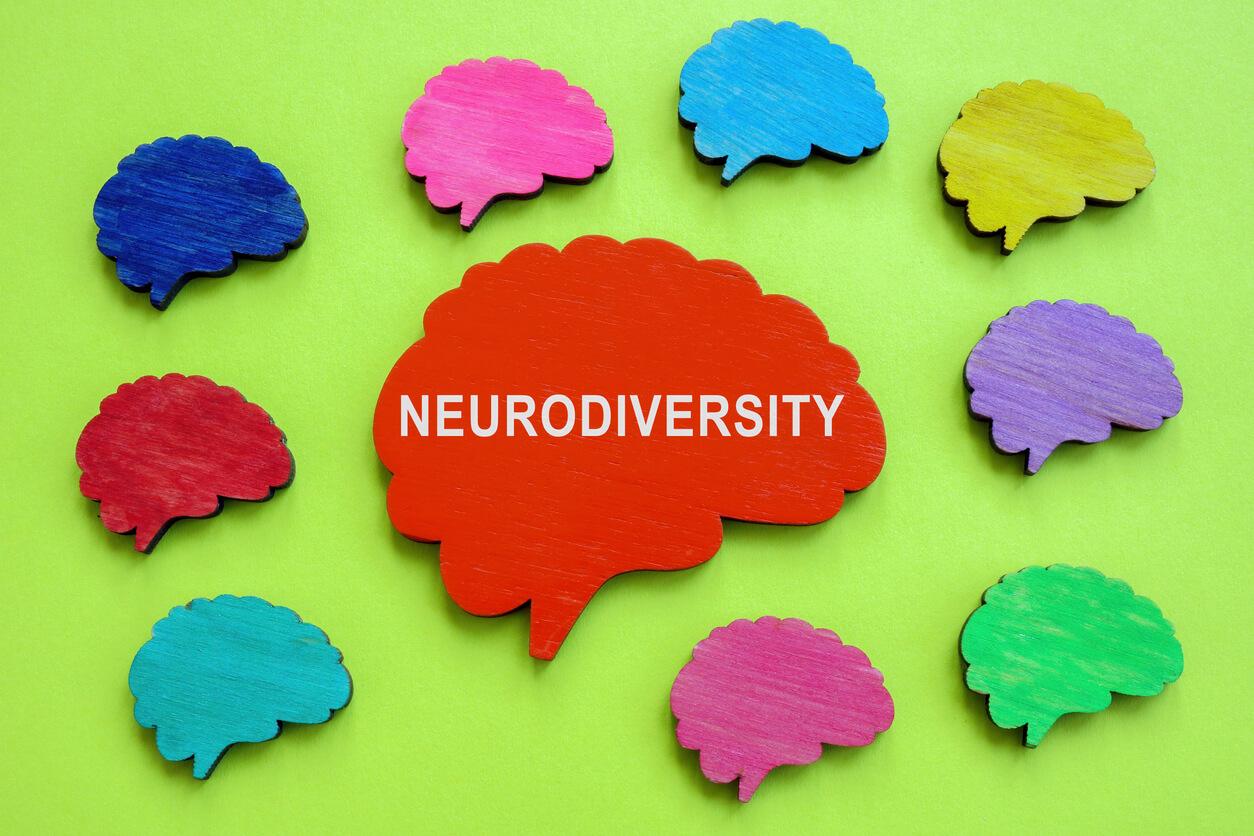
The neurodiversity paradigm
A Neurodiversity-Affirming Framework
The neurodiversity paradigm views autism not as a disorder to be cured but as a natural variation of the human brain. Within this framework, meltdowns are valid expressions of distress, not moral failures.
Key principles include:
- Respect Autonomy: The person has a right to express distress.
- Presume Competence: The individual’s behavior communicates unmet needs.
- Adapt the Environment: Change the context, not the person.
- Co-Regulate: Stay calm; regulation is contagious.
- Empower Through Understanding: Teach self-awareness, not compliance.
As noted in current neurodiversity-affirming literature, “A meltdown is a message: the world is too loud, too fast, too confusing” (2). Our role is to listen, not to silence.
Preventing Meltdowns
While not all meltdowns can be prevented, their frequency and intensity can be reduced through proactive strategies:
Sensory Supports
- Provide sensory-safe zones (dim lighting, quiet spaces, weighted blankets).
- Offer noise-reducing tools.
- Respect stimming—never suppress it.
Predictability
- Use visual schedules and clear transitions.
- Prepare for changes with advance notice.
- Avoid sudden demands.
Emotional Regulation
- Teach naming of emotions using visuals.
- Model calm reactions.
- Allow expression without judgment.
Reduce Cognitive Load
- Give one instruction at a time.
- Use written or visual cues.
- Offer breaks between tasks.
Self-Advocacy
Encourage autistic individuals to identify early signs of overload—heat, noise, confusion, or fatigue—and to request support before reaching breaking point.
Responding During a Meltdown
The goal is safety and dignity, not control:
- Ensure safety: Move dangerous objects away.
- Give space: Crowding increases panic.
- Minimize input: Lower lights, stop talking.
- Stay calm: Your nervous system influences theirs.
- Use few, kind words: “You’re safe. I’m here.”
- Afterward: Offer rest, hydration, and reassurance.
Never ask, “Why did you do that?”—they didn’t do it; it happened to them.
Recovery and Reflection
Recovery takes time. The nervous system remains on alert long after the visible signs fade (4). Provide a soft landing—no demands, no guilt. When the person is ready, reflection can occur.
Keep a meltdown log noting: What happened before, during, after. Environment (light, noise, people). Emotional state. Patterns often reveal sensory or social triggers, allowing personalized prevention (1).
Across the Lifespan
Children
Misinterpretation as “bad behavior” is common. Punishment teaches fear (3). Instead, help children name sensations: “The noise hurt your ears,” not “You were naughty.”
Adolescents
Masking intensifies. They might hold it together at school then explode at home. Empathy, privacy, and trust are key.
Adults
Meltdowns may occur after long days of masking at work or sensory strain. Workplaces should adopt quiet spaces, flexible schedules, and understanding cultures (5).
The Cost of Misunderstanding
When meltdowns are framed as behavioral, the consequences are severe: Increased self-blame and shame. Post-traumatic stress responses. Reluctance to seek help. Broken trust between autistic people and caregivers.
This misunderstanding isolates autistic individuals and deepens stigma (1). Meltdowns are not bad behavior. They are responses to being overwhelmed.
Building Regulation and Resilience
True prevention lies in helping autistic people build self-knowledge. When they understand what overwhelms them and what restores them, meltdowns transform from chaos to communication.
The aim is for “structured empathy”—not forcing change but teaching coping tools through respect (7). Weighted pressure, time outdoors, repetitive movement, deep breathing, and safe stimming are tools of empowerment.
While meltdowns are not something shameful, our shared goal should be to reduce their occurrence by creating safer, more predictable environments. When autistic people feel safe to express distress, they gain control over their narrative and reclaim dignity.
Professional and Ethical Implications
Professionals should look to adopt trauma-informed and neuroaffirming practices (6):
- Prioritize emotional safety.
- Avoid compliance-driven goals.
- Include autistic voices in every decision.
- Replace “manage the behavior” with “support the person.”
Ethically, the mandate is clear: respect human dignity above all.
The Role of Community and Culture
Communities shape how meltdowns are received. When society views them as “scenes” or “disruptions,” autistic people hide and suffer in silence (2). When we see them as distress signals, compassion replaces judgment.
Public education plays a crucial role in shifting perception. The more we normalize discussions about sensory overload and emotional overwhelm, the safer the world becomes for everyone.
Strength and Humanity
An autistic meltdown is not weakness—it is evidence of deep sensitivity, honesty, and the human body’s need for balance. Every meltdown survived teaches something: where limits lie, what support works, how to heal faster.
Conclusion
An autistic meltdown is not a behavior. It is a message from the nervous system, a plea for understanding in a world that often overwhelms. When we replace punishment with patience, extinction with empathy, and control with compassion, we move closer to true inclusion. The measure of a society’s understanding is not how quietly it demands people endure discomfort, but how gently it responds when they cannot.
We hope this article was helpful. For more information from Yasmeen Center, please visit their CPD Member Directory page. Alternatively, you can go to the CPD Industry Hubs for more articles, courses and events relevant to your Continuing Professional Development requirements.
REFERENCES
(1) National Autistic Society. (2023). Meltdowns – a guide for all audiences.
(2) Reframing Autism. (2022). All About Autistic Meltdowns: A Guide for Allies.
(3) Ambitious about Autism. (2023). Meltdowns and Shutdowns.
(4) Adams, L., et al. (2023). The lived experience of meltdowns for autistic adults. Autism, 27(4), 1153–1167.
(5) Welch, J., Raymaker, D., & Milton, D. (2022). BIMS: Burnout, Inertia, Meltdown, and Shutdown. Frontiers in Psychology, 13, 8595127.
(6) Dawson, G. et al. (2022). At a Crossroads: Reconsidering the Goals of Autism Early Intervention. Frontiers in Psychology, 13.
(7) Grandin, T. (2011). The Way I See It: A Personal Look at Autism and Asperger’s.