



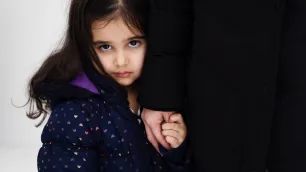
This informal CPD article, ‘Grief and Loss in the 2026 RSHE Curriculum: A Step Forward’ was provided by Workplace Bereavement, who specialise in providing workplace bereavement training to companies so that those trained advocates can support colleagues who experience bereavement loss.
An estimated 26,900 parents die each year in the UK, leaving behind dependent children; that’s one parent every 20 minutes (Child Bereavement UK, 2026) (1). These figures alone highlight the scale of childhood bereavement, without even accounting for the loss of grandparents, siblings, aunts, uncles, friends or pets, each of which can have an extreme emotional impact on a child.
The New RSHE Guidance
Despite death being an inevitable part of life, it has long been a neglected topic in the national curriculum. This is now changing. In July 2025, the Department for Education (DFE) published revised statutory guidance for Relationships, Sex and Health Education (RSHE) (2). While schools are encouraged to begin preparing, full implementation is not required until September 2026.
For the first time, grief and bereavement will be formally included in RSHE. This represents a significant step forward in acknowledging the emotional experiences of children and young people. Schools are not only places for academic learning, but they also play a key role in preparing pupils for real-life challenges. Teaching children about death and loss can help build resilience and break the silence and stigma that too often surround grief.
Children are naturally curious and open to learning about life’s big questions, including death. With sensitive, age-appropriate teaching, the new guidance will provide schools with a structure to introduce these conversations safely. Learning about bereavement before it becomes personal helps children make sense of difficult emotions and equips them to support friends who may be grieving.
What Will the 2026 RSHE Guidance Cover?
The guidance acknowledges that experiences of change and loss, including bereavement, can evoke a diverse range of emotions. It emphasises that grief is a natural response to bereavement and recognises that individuals grieve in different ways (Department for Education, 2025).
The revised curriculum will address the following areas:
- Different ways of grieving: Recognising that each person processes loss in their own manner and timeframe.
- Supporting the bereaved: Equipping pupils with the understanding and skills necessary to support peers who are experiencing grief.
- Accessing support: Providing information on where children and young people can seek assistance if they are affected by bereavement.
- Cultural variations: Exploring the diverse cultural perspectives and customs relating to death and mourning.
The aim is to establish a safe and supportive learning environment in which pupils can openly discuss loss, pose questions, and appreciate that grief is a universal and normal human experience. This guidance is accompanied by new curriculum content on issues such as loneliness and other aspects of health and wellbeing, reflecting a broader commitment to fostering emotional literacy within schools.
Why Grief Education Matters
Mandatory grief education in schools has the potential to create lasting cultural change. When children are supported to talk openly and compassionately about death, loss becomes less isolating, and the shame or discomfort often surrounding grief begins to fade.
“We should prepare for grief like we prepare for a fire in schools—proactively preparing people for the possibility that they are bereaved, instead of being reactive when it’s too late.” Scottish National Childhood Bereavement Project (2022) (3)
Introducing this topic into the RSHE curriculum is an overdue but vital shift. By acknowledging death as part of life and preparing pupils for the emotions it brings, schools can foster an environment that is both academically rich and emotionally nurturing (4).
Rather than waiting until a child experiences loss, this approach aims to give them a foundation of understanding and empathy. It also offers teachers a clear and sensitive framework to engage with a subject that, while difficult, is essential. Most importantly, it sends the message that grief is not something to hide from, and children deserve the space, language, and support to face it with confidence and compassion.
We hope this article was helpful. For more information from Workplace Bereavement, please visit their CPD Member Directory page. Alternatively, you can go to the CPD Industry Hubs for more articles, courses and events relevant to your Continuing Professional Development requirements.
References
- Child Bereavement UK. Death & Bereavement Statistics. https://www.childbereavementuk.org/death-bereavement-statistics (Accessed 24 July 2025)
- Department for Education (DfE), 2025. Relationships Education, Relationships and Sex Education (RSE) and Health Education: Statutory guidance for governing bodies, proprietors, head teachers, principals, senior leadership teams, and teachers. [online] Available at: https://assets.publishing.service.gov.uk/media/687a3d473f4bde279ef4528c/RSHE_statutory_guidance_-_July_2025_.pdf [Accessed 24 July 2025].
- Scottish National Childhood Bereavement Project (2022)
- University of Bristol – Policy Bristol. Grief education in schools. https://www.bristol.ac.uk/policybristol/policy-briefings/grief-education-schools