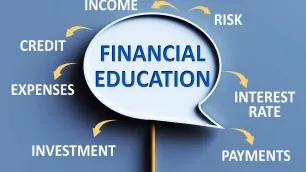




This informal CPD article, ‘Retirement Planning: Keeping Your Lifestyle on Track’, was provided by AAG Financial Education (AAG). Founded in 1995, they provide long-term, comprehensive, and bespoke financial education to their clients.
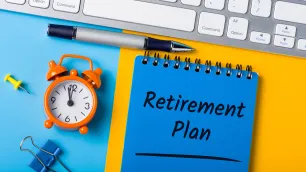
Retirement marks a significant transition in life. For many, it brings the opportunity to enjoy greater freedom, pursue hobbies, and spend more time with loved ones. But to make the most of these years, it’s important to give some thought to how your lifestyle will be supported financially. By understanding your income needs and exploring a range of income sources, you can create a plan that helps you stay on track, both now and in the future.
Assessing Your Retirement Income Needs
A good starting place can be beginning by evaluating your expected expenses in retirement, such as housing, healthcare, leisure activities, and daily living costs. Some expenses may decrease, while others, such as healthcare, could increase.
Getting a clear picture of your spending habits and potential future costs can help you work out the level of income you’ll need to maintain your lifestyle. It may also highlight any gaps between your expected income and outgoings, giving you time to take action.
Exploring Different Income Sources
Depending solely on the State Pension might not provide the full picture when it comes to meeting your retirement goals. That’s why it can be helpful to think about a combination of income streams to give you more flexibility and stability.
Some common options include:
- Workplace and Personal Pensions – These are often the backbone of retirement income. If you’ve built up multiple pension pots over the years, consolidating them could make them easier to manage and potentially improve their performance.
- Individual Savings Accounts (ISAs) – ISAs allow for tax-free growth and withdrawals, which can be useful if you want to access funds without affecting your tax position.
- Investments and Property – Income from investments, such as dividends, or rental income from property, can offer an additional layer of support. However, these come with varying levels of risk and may require regular oversight.
Keeping Inflation and Longevity in Mind
Retirement can last several decades, and over time, rising prices can reduce the purchasing power of your money. Building in some protection against inflation and considering how your savings might stretch over the long term could help keep things on track. Some choose to include investments that aim to grow in value over time to support this.
Checking In with Your Plan
Your financial situation and priorities may change throughout retirement. That’s why it’s a good idea to review your plan regularly. This might involve updating your budget, checking the performance of your investments, or adjusting how you draw income. Even small changes can make a big difference over time.
Maintaining your lifestyle in retirement isn’t a one-off task, it’s something that benefits from regular attention. By exploring a range of income options, planning for the long term, and remaining flexible, you can build a financial plan that supports the life you want to lead in retirement.
The value of an investment will be directly linked to the performance of the funds you select, and the value can therefore go down as well as up. You may get back less than you invested. The levels and bases of taxation and reliefs from taxation can change at any time. Tax relief is dependent on individual circumstances.
We hope this article was helpful. For more information from AAG Financial Education (AAG), please visit their CPD Member Directory page. Alternatively, you can go to the CPD Industry Hubs for more articles, courses and events relevant to your Continuing Professional Development requirements.


-pensions-isas.jpg12d5.jpg)