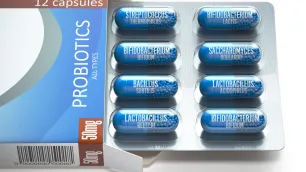



This informal CPD article,’ Autoimmunity and the Gut Connection‘, was provided by ADM Protexin, who are dedicated to producing innovative, research based live bacteria (Probiotic) products for the veterinary, human, agriculture and equine healthcare markets.
What is autoimmunity?
The term autoimmune disease encompasses >80 diagnoses that share common elements of pathogenesis; involving an immune-mediated attack on the body’s own organs/tissues.1,2 Examples of autoimmunity include inflammatory bowel disease (IBD), type 1 diabetes (T1D), coeliac disease, rheumatoid arthritis (RA), systemic lupus erythematosus (SLE), autoimmune thyroiditis and multiple sclerosis (MS).3 Worldwide the incidence of autoimmune disease has increased over the past 30 years, with an estimated global prevalence of up to 20%, affecting women up to twice as frequently as men.2,4
Auto-reactivity (i.e. host cells exhibiting an immune response to self-antigens)5 may range between normal low-level self-reactivity (essential for immune homeostasis), intermediate reactivity (involving minor suboptimal tissue function) and pathogenic autoimmunity (with immune-mediated organ injury).2 Autoimmune conditions are amongst the most costly to diagnose and treat. Traditionally they are treated with immunosuppressive medications in order to dampen the immune response and limit tissue/organ damage.6 However, long-term use is not without risk, particularly an increased risk of opportunistic infections.6,7 While most therapies for autoimmunity address the consequences of immune dysregulation, they do not necessarily seek to modify the underlying pathophysiology. Understanding how disrupted immune reactions arise, may provide a pathway to longer-term complementary approaches.8
Contributing Factors
Incidence, prevalence, characteristics and average age of onset vary amongst autoimmune diseases9 and genetic predisposition plays a role in establishing risk for autoimmunity.8 However, greater emphasis is now being placed upon the role of the environment in autoimmune development,2,8 referred to as the ‘autoimmune ecology’ or ‘exposome’.10 This is concerned with internal and external exposures over a lifetime and their interactions upon genetics and epigenetics.10 Examples of environmental factors include occupational hazards, industrial/household pollutants, water and air quality, climate, living conditions and lifestyle; such as diet and physical activity.10 Determinants may even extend to include social factors, socioeconomic status, quality of housing, social relationships and access to services.10 Considering the numerous influences that contribute to the development of autoimmunity, holistic therapeutic approaches may have a vital role to play in their management.
Key mechanisms of Action
Specific disease pathogenesis will vary between different autoimmune conditions. However, generally they can be divided into organ-specific (e.g. T1D, MS and IBD), and systemic (e.g. SLE and RA) conditions.2 Due to the complexity of autoimmunity, it is unlikely that a single feature unifies all aetiologies. Many immune factors converge during their development, including; the breakdown of T cell anergy (tolerance), alterations in apoptosis,11 suppression of regulatory T (Treg) cells, presentation of sequestered antigens,2 as well as epitope spreading and bystander effects.12 In particular, molecular mimicry (where a foreign antigen shares sequence or structural similarities with self-antigens)10 appears to play a key role in certain conditions. One example is Streptococcus pyogenes, which has been identified as a potential trigger for rheumatic fever, as they share the same epitope.13 Collectively these factors may drive dysregulation in central and peripheral tolerance and may result in a lowered threshold of immune activation and consequent autoreactive cells.
The Microbiome in Autoimmunity
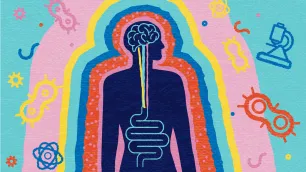
Approximately 70% of the body’s immune cells are located in the gut, with constant communication occurring between them and the trillions of organisms that reside there.14 The diversity and distribution of these microorganisms may influence physiological processes such as the host’s longevity and metabolism, alongside the development and function of the immune system.2 It has been suggested that a disturbance in the quantity or composition of the microbiota may contribute to the development of autoimmunity, affecting not only the digestive system, but also distant organs and tissues.2
Short-chain fatty acids (SCFAs) produced by commensal bacteria during carbohydrate fermentation have a role in the generation of Treg cells,15 thereby supporting tolerance towards antigens. Beneficial bacterial species also inhibit pathogens within the gut (via bacteriocins, competitive exclusion and reducing pH),16 reducing the likelihood of pathogen induced T helper cell activation and potential molecular mimicry.17 In addition, these microbes support barrier function and reduce the translocation of inflammatory components throughout the peripheral system,17 which may help prevent autoreactivity to sequestered antigens.2
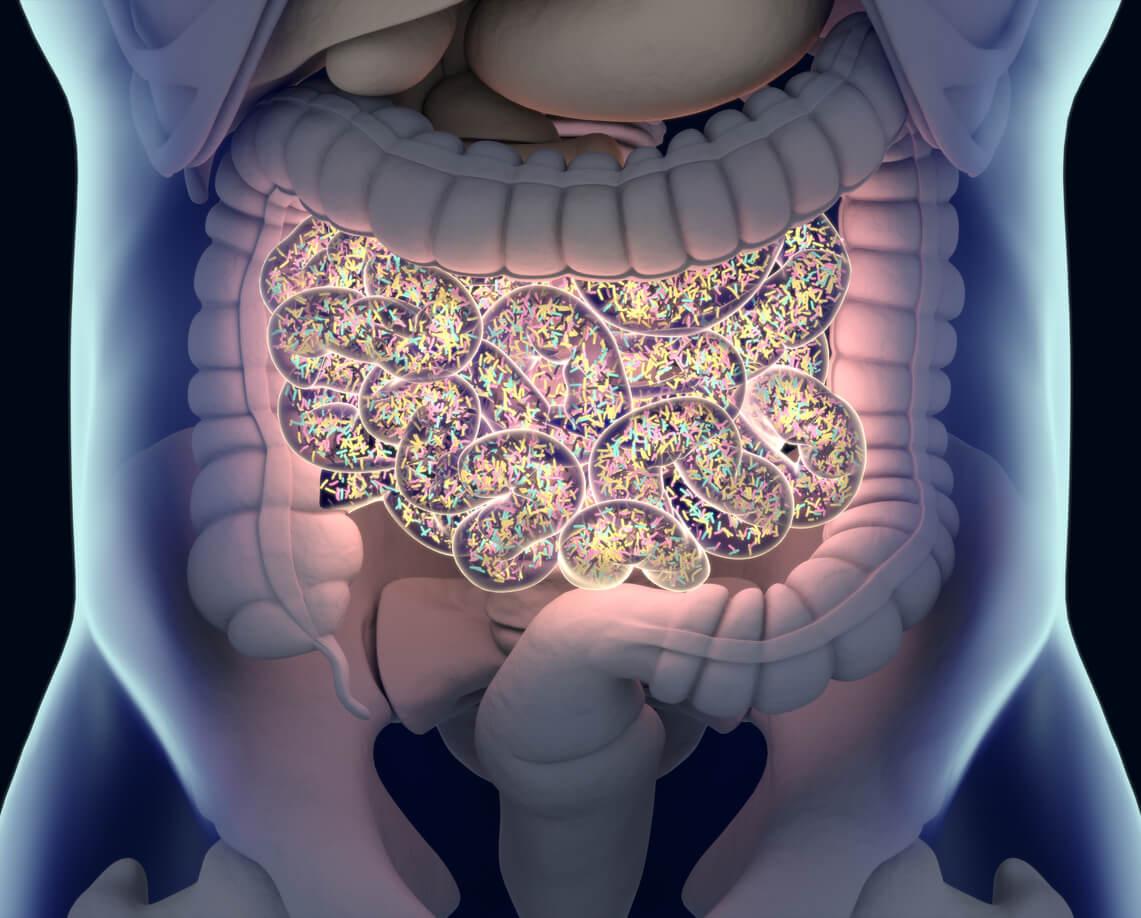
70% of body’s immune cells located in gut
Alterations in the microbiome are increasingly being linked to a range of autoimmune conditions, such as T1D, RA, SLE, IBDs, psoriasis, vitiligo and autoimmune neurological diseases.19 Certain bacterial genera appear to be overrepresented in some of these conditions, for example Prevotella bacteria have been associated with individuals suffering with RA (specifically P. copri), SLE, psoriasis, Behcet’s disease and MS.19,20 Conversely, beneficial genera, such as Lactobacillus and Bifidobacteria, appear to be underrepresented in some conditions, as seen in children with T1D. Reduced microbial diversity is also observed in IBD, vitiligo and psoriasis.19
However, categorising bacteria only at the genus level has its limitations. Differences between species and even strains within a genus may influence immune activity in distinct ways, which could help explain the variability seen across clinical studies. Further research exploring these nuances holds potential for understanding and modulating autoimmune processes.
Use of Live Bacterial Supplements in Autoimmune Disease
High quality studies addressing the use of live bacteria supplementation in autoimmunity are lacking, in part due to disparity of methodologies, strains, dose and timings of interventions. There are, however, promising results for the use of bacterial supplementation in reducing inflammation,21 maintaining barrier integrity21 and influencing the balance between Treg and Th17 cells; imbalances of which are commonly associated with autoimmune conditions.19,22 Live bacteria supplementation may be an effective adjuvant therapy in autoimmunity; as common treatment currently involves the use of anti-microbials, anti-viral and immunosuppressant medications. Research indicates that live bacterial supplementation by immunocompromised individuals, such as those taking immunosuppressants for autoimmune conditions, is generally safe and associated with fewer adverse effects compared to control groups.23 However, supplement use in this patient group is at the doctor’s discretion.
Conclusion
The aetiology of autoimmunity is complex and multifactorial in nature and each diagnosis has its own unique determinants and mechanisms. Further study of the microbiome and its interplay with the immune system will hopefully facilitate better understanding of the triggers and mediators of autoimmune disorders and – crucially – how modulation of the microbiome may help ameliorate these conditions.
We hope this article was helpful. For more information from ADM Protexin, please visit their CPD Member Directory page. Alternatively, you can go to the CPD Industry Hubs for more articles, courses and events relevant to your Continuing Professional Development requirements.
References:
1 Rose NR. Autoimmune Diseases. In: International Encyclopedia of Public Health. Elsevier Inc., 2016: 192–5.
2 Theofilopoulos AN, Kono DH, Baccala R. The multiple pathways to autoimmunity. Nat Immunol 2017; 18: 716–24.
3 Lerner A, Jeremias P, Matthias T. The World Incidence and Prevalence of Autoimmune Diseases is Increasing. Int J Celiac Dis 2015; 3: 151–5.
4 Angum F, Khan T, Kaler J, Siddiqui L, Hussain A. The Prevalence of Autoimmune Disorders in Women: A Narrative Review. Cureus 2020; 12. DOI:10.7759/cureus.8094.
5 Autoreactivity | SpringerLink. https://link.springer.com/referenceworkentry/10.1007/978-3-540-47648-1_488 (accessed Jan 8, 2021).
6 Rosenblum MD, Gratz IK, Paw JS, Abbas AK. Treating human autoimmunity: Current practice and future prospects. Sci Transl Med 2012; 4: 125sr1.
7 Dudics S, Langan D, Meka RR, et al. Natural products for the treatment of autoimmune arthritis: Their mechanisms of action, targeted delivery, and interplay with the host microbiome. Int. J. Mol. Sci. 2018; 19. DOI:10.3390/ijms19092508.
8 Rosenblum MD, Remedios KA, Abbas AK. Mechanisms of human autoimmunity. J Clin Invest 2015; 125: 2228–33.
9 Wang L, Wang FS, Gershwin ME. Human autoimmune diseases: A comprehensive update. J Intern Med 2015; 278: 369–95.
10 Anaya JM, Ramirez-Santana C, Alzate MA, Molano-Gonzalez N, Rojas-Villarraga A. The autoimmune ecology. Front Immunol 2016; 7. DOI:10.3389/fimmu.2016.00139.
11 Badami E, Cexus ONF, Quaratino S. Activation-induced cell death of self-reactive regulatory T cells drives autoimmunity. Proc Natl Acad Sci U S A 2019; 116: 26788–97.
12 Pacheco Y, Acosta-Ampudia Y, Monsalve DM, Chang C, Gershwin ME, Anaya JM. Bystander activation and autoimmunity. J Autoimmun 2019; 103. DOI:10.1016/j.jaut.2019.06.012.
13 Maoz-Segal R, Andrade P. Molecular Mimicry and Autoimmunity. In: Infection and Autoimmunity. Elsevier Inc., 2015: 27–44.
14 Jäger R, Mohr AE, Carpenter KC, et al. International Society of Sports Nutrition Position Stand: Probiotics. J Int Soc Sports Nutr 2019; 16. DOI:10.1186/s12970-019-0329-0.
15 Arpaia N, Campbell C, Fan X, et al. Metabolites produced by commensal bacteria promote peripheral regulatory T-cell generation. Nature 2013; 504: 451–5.
16 Bubnov R V., Babenko LP, Lazarenko LM, Mokrozub V V., Spivak MY. Specific properties of probiotic strains: relevance and benefits for the host. EPMA J 2018; 9: 205–23.
17 Czaja AJ. Factoring the intestinal microbiome into the pathogenesis of autoimmune hepatitis. World J Gastroenterol 2016; 22: 9257–78.
19 Gianchecchi E, Fierabracci A. Recent advances on microbiota involvement in the pathogenesis of autoimmunity. Int J Mol Sci 2019; 20. DOI:10.3390/ijms20020283.
20 Drago. Prevotella Copri and Microbiota in Rheumatoid Arthritis: Fully Convincing Evidence? J Clin Med 2019; 8: 1837.
21 Liu Y, Alookaran JJ, Rhoads JM. Probiotics in autoimmune and inflammatory disorders. Nutrients 2018; 10. DOI:10.3390/nu10101537.
22 Lee GR. The balance of th17 versus treg cells in autoimmunity. Int J Mol Sci 2018; 19. DOI:10.3390/ijms19030730.
23 Van den Nieuwboer M, Brummer RJ, Guarner F, Morelli L, Cabana M, Claassen E. The administration of probiotics and synbiotics in immune compromised adults: Is it safe? Benef Microbes 2015; 6: 3–17.