


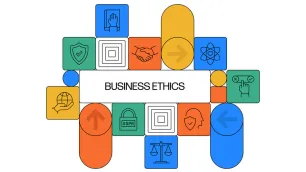
This informal CPD article, ‘How Business Ethics Drives Sustainable Success?’ was provided by IFRS Lab, a leading ESG advisory and training institution committed to advancing sustainability.
Business ethics has evolved from being a peripheral consideration to becoming a central factor in determining the long-term viability of organizations. In an interconnected world where reputational damage can spread across markets in hours, companies can no longer afford to treat ethical conduct as optional. It is an essential requirement for building trust, ensuring compliance, and achieving sustainable growth. Ethical business practices strengthen stakeholder confidence, reinforce credibility, and provide resilience against risks. They also influence corporate governance, talent retention, investor confidence, and access to capital.
Ethics in business is not about symbolic gestures or public statements. It requires embedding moral principles into strategy, governance, and daily operations. When companies commit to ethical conduct, they benefit from stronger reputations, more engaged employees, loyal customers, and more supportive investors. When they fail, the costs can be catastrophic, as shown by the collapse of Enron and the Volkswagen emissions scandal. These events are not simply cautionary tales but reminders that business ethics directly shapes outcomes in financial markets, labor relations, and community trust.
Understanding the Core of Business Ethics
Business ethics refers to the principles that govern decision-making and behavior within an organization. At its core, it is about applying values such as honesty, fairness, responsibility, and respect in a corporate setting. These values are translated into practical frameworks, most notably codes of ethics and codes of conduct.
- A code of ethics sets out the overarching principles that guide responsible decision-making.
- A code of conduct provides clear expectations for behavior across all levels of the organization.
Together, these documents establish consistency in corporate culture and provide accountability mechanisms. They are not mere formalities but operational tools that shape how employees act, how managers lead, and how boards exercise oversight.
Ethical decision-making requires structured evaluation. Organizations must identify ethical issues, analyze their impact on stakeholders, explore alternatives, and choose actions that align with values. Reflection after decisions is also crucial, as it enables continuous improvement. Ethical frameworks provide clarity when dilemmas arise. For instance, if a product flaw is discovered after launch, the decision to recall or not recall must be guided not only by costs but also by consumer safety and long-term trust.
The Evolution from CSR to ESG
The conversation on business ethics has developed significantly over the last two decades. What began as corporate social responsibility has expanded into a more structured and measurable framework known as environmental, social, and governance standards. This evolution reflects how investor expectations, regulatory requirements, and global sustainability challenges have transformed the way companies demonstrate ethical commitment.
From CSR to Corporate Responsibility
Corporate Social Responsibility (CSR) emerged in the late twentieth century (1) as a way for companies to acknowledge their impact on society and the environment beyond their financial objectives. CSR often took the form of philanthropic initiatives such as donations, community development projects, or environmental campaigns. While these efforts were valuable, they were sometimes disconnected from the company’s core operations. As a result, CSR was frequently criticized for being reactive, symbolic, or limited in scale.
Over time, the concept expanded into broader corporate responsibility, which emphasized the need for compliance with laws, regulations, and ethical standards across all areas of business. Corporate responsibility shifted the focus from isolated projects to a more comprehensive approach that included supply chains, labor standards, environmental protection, and responsible marketing. This was an important step because it acknowledged that ethical conduct must apply to all operations, not only to voluntary initiatives.
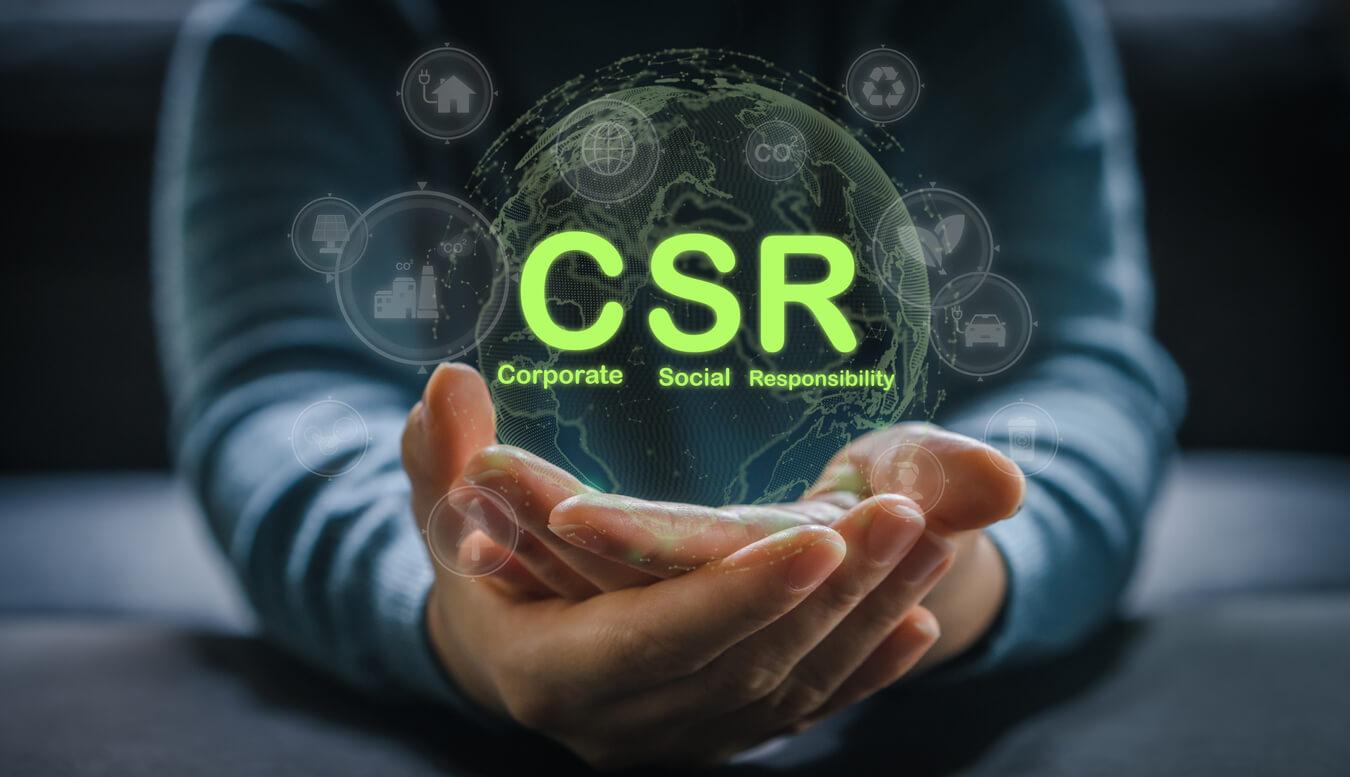
Corporate Social Responsibility (CSR)
The Emergence of ESG
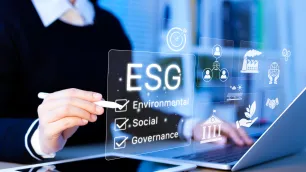
The limitations of CSR created the need for a framework that was measurable, comparable, and directly linked to business performance. This need gave rise to ESG (2), which evaluates companies on three integrated dimensions:
- Environmental stewardship: including energy use, emissions, waste management, resource efficiency, and climate risk.
- Social impact: including labor conditions, diversity, inclusion, customer responsibility, and community relations.
- Governance integrity: including board accountability, executive pay, anti-corruption controls, shareholder rights, and transparent reporting.
Unlike CSR, ESG requires companies to integrate these factors into core strategies, governance structures, and performance metrics (3). It is not limited to voluntary actions but tied to investment criteria and regulatory expectations. Investors use ESG disclosures to assess risks and opportunities, regulators demand ESG reporting for accountability, and stakeholders expect verifiable impact.
Why the Transition Matters
The transition from CSR to ESG is not only about terminology. It represents a fundamental change in how companies are evaluated and held accountable. CSR emphasized goodwill, while ESG emphasizes measurable outcomes. CSR often operated on the periphery of business activity, while ESG is embedded in decision-making at every level, from boardrooms to supply chains. CSR was largely self-regulated, while ESG is increasingly governed by global standards such as the EU’s Corporate Sustainability Reporting Directive (CSRD) (4), the International Sustainability Standards Board (ISSB) (5), and the Task Force on Climate-Related Financial Disclosures (TCFD) (6).
This evolution matters because it shifts the role of business ethics from discretionary to mandatory. Firms that fail to meet ESG expectations face risks in capital access, investor trust, regulatory compliance, and consumer confidence. On the other hand, firms that align with ESG benefit from stronger market positions, enhanced reputation, and improved resilience in the face of economic and environmental challenges.
Why Ethical Business Practices Create Sustainable Success
It is not enough to understand ethics in theory; companies must also recognize the practical benefits of embedding it into their strategies. Ethical practices are not just about compliance; they are about building a resilient and respected business. They strengthen reputation, attract loyal customers, inspire employees, and reduce risks that could undermine long-term growth. In this part, we look at how ethics directly supports sustainability, reputation, and competitiveness.
Building Reputation and Trust
Reputation is one of the most valuable intangible assets a business possesses. Ethical practices reinforce credibility with customers, investors, and regulators. A strong ethical reputation attracts long-term investment and enhances resilience during crises. There are examples of how ethical sourcing and environmental commitment can strengthen consumer loyalty and brand equity. Conversely, scandals can illustrate how unethical practices erode stakeholder trust and cause reputational damage that can take decades to repair.
Creating Positive Work Environments
Employees are not motivated solely by salaries. They want to feel that their work has purpose and that they are part of an organization that respects them. Ethical practices create transparent and inclusive workplaces that improve morale, reduce turnover, and attract top talent. Some companies have built reputations for fostering openness and inclusivity, which in turn drive innovation and productivity. Ethical cultures also reduce the likelihood of harassment, discrimination, or misconduct, which can damage internal cohesion and external reputation.
Ensuring Long-Term Viability
Short-term financial performance can be achieved through aggressive tactics, but sustainable success requires responsibility. Ethical practices reduce risks of litigation, regulatory penalties, and reputational crises. A Sustainable Living Plan, for example, combines environmental responsibility with profitability by cutting waste, reducing costs, and opening new markets. Ethical approaches ensure that growth is not achieved at the expense of stakeholders or society but in alignment with them.
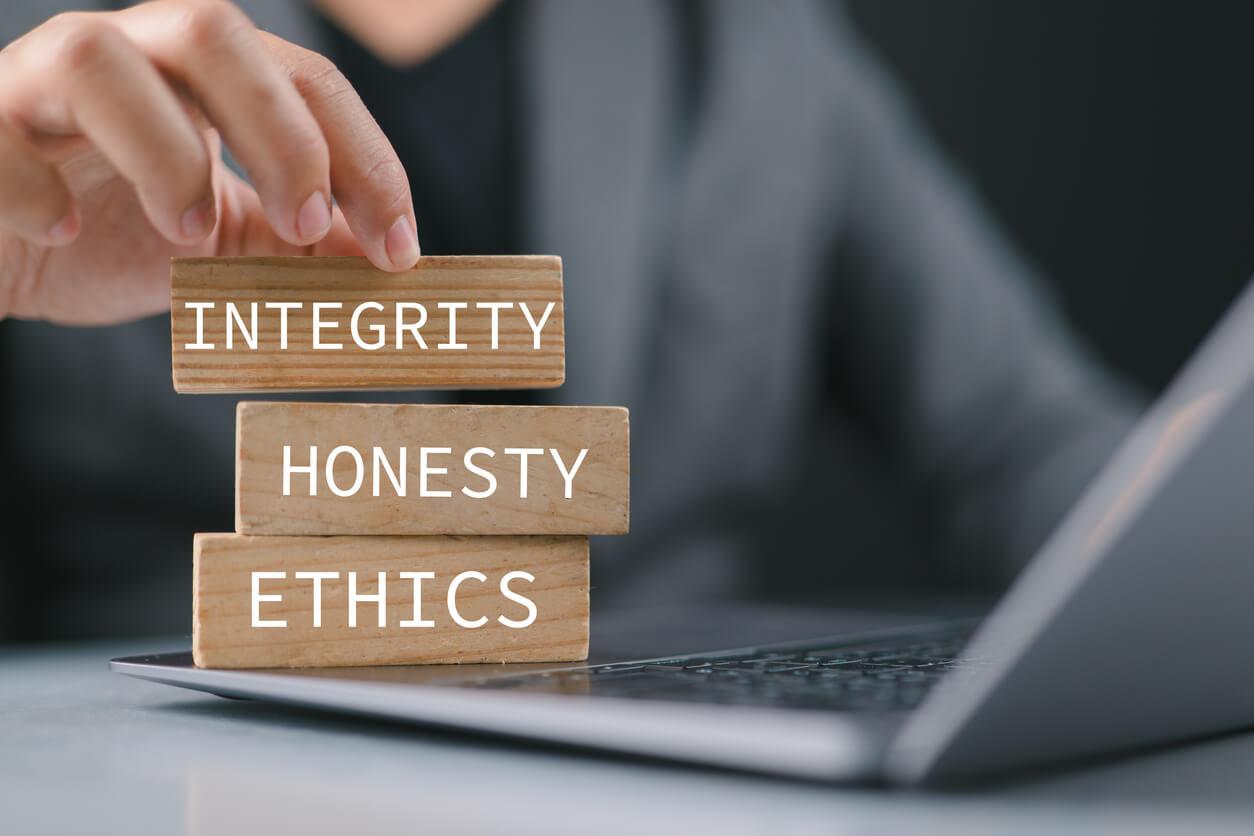
Culture is the foundation of ethics
Embedding Ethical Practices in Organizations
Knowing that ethics creates value is only the first step. The challenge is turning principles into action at every level of the company. This requires leadership that sets the tone, governance structures that provide oversight, and mechanisms that allow employees and stakeholders to raise concerns. Embedding ethics is about creating a culture where integrity is expected and supported in daily decision-making.
Establishing a Strong Ethical Culture
Culture is the foundation of ethics. Leadership must demonstrate commitment through both words and actions. Ethical values must be communicated consistently, reinforced through training, and embedded in performance evaluations. Employees must feel empowered to raise concerns without fear of retaliation. A culture of openness and accountability ensures that ethical behavior is the norm rather than the exception.
Strengthening Corporate Governance
Corporate governance provides the structural backbone for ethical conduct. Strong boards ensure transparency, accountability, and oversight. Governance frameworks must delineate clear responsibilities, establish checks and balances, and provide systems for monitoring compliance. Independent directors, diverse boards, and transparent reporting are essential elements. Governance structures that integrate ethics into decision-making reduce risks and foster accountability.
Engaging Stakeholders
Ethical businesses do not operate in isolation. Stakeholders, including investors, regulators, employees, and communities, must be part of the conversation. Regular communication about policies and practices builds trust and prevents misunderstandings. Stakeholder engagement also improves decision-making by ensuring that diverse perspectives are considered.
Supporting Whistleblowers
Whistleblowers provide a critical line of defense against unethical behavior. Organizations must establish secure, anonymous channels for reporting and provide protection against retaliation. Whistleblower support not only prevents misconduct but also signals that the organization values transparency and accountability.
Challenges in Implementing Business Ethics
Even the most well-intentioned organizations struggle with the realities of applying ethics consistently. Issues like conflicts of interest, data privacy, workplace discrimination, and regulatory complexity can disrupt even the strongest frameworks. These challenges cannot be ignored, yet they can be managed with the right systems, training, and accountability structures.
- Conflicts of interest often distort decision-making. They can be mitigated through strict policies and regular training.
- Unethical behavior such as fraud or manipulation undermines trust. Strong enforcement of codes of conduct reduces risks.
- Data privacy concerns are escalating in the digital era. Robust cybersecurity, regular audits, and compliance with data protection laws are mandatory.
- Discrimination and harassment damage workplace morale and violate ethical standards. Diversity and inclusion initiatives, combined with zero-tolerance policies, are essential.
- Regulatory complexity creates compliance burdens. Dedicated compliance teams and systematic monitoring provide effective safeguards.
- Mismanagement of resources weakens sustainability. Strong financial controls and accountability policies prevent misuse.
Human resources departments play a critical role in embedding ethics by ensuring fair recruitment, managing grievances, and maintaining safe and respectful workplaces.
The Wider Impact of Business Ethics
Business ethics extends beyond corporate success. Responsible practices improve living standards in communities, support human rights, and contribute to global sustainability. Fair trade practices ensure that producers in developing economies receive fair compensation and decent working conditions. Ethical sourcing safeguards workers and strengthens supply chains.
Social media amplifies corporate conduct. Ethical actions can enhance reputation quickly, while unethical practices can be exposed within hours. Companies must be prepared to be transparent and accountable in an era of constant scrutiny.
Education also plays a vital role. Business schools increasingly teach ethics as a core discipline, preparing future leaders to handle dilemmas responsibly. Initiatives such as the United Nations Global Compact promote international cooperation on human rights, labor, and anti-corruption, creating a shared ethical foundation across regions.
Conclusion
Ethics is not an abstract ideal but a practical foundation for corporate success. Companies that embed ethics into strategy and operations gain reputational strength, stakeholder trust, employee commitment, and long-term resilience. They also contribute positively to society by respecting human rights, protecting the environment, and supporting communities.
The path to sustainable success requires leadership that prioritizes integrity, governance that ensures accountability, and cultures that reward transparency. Ethical practices must not be treated as symbolic or reactive. They must be recognized as essential components of long-term strategy.
The lesson is clear. Ethical businesses are more sustainable, more resilient, and better positioned to thrive in a competitive global economy. Leaders who recognize this reality and act upon it will secure success that endures.
We hope this article was helpful. For more information from IFRS Lab, please visit their CPD Member Directory page. Alternatively, you can go to the CPD Industry Hubs for more articles, courses and events relevant to your Continuing Professional Development requirements.
References
- https://www.thomasnet.com/insights/history-of-corporate-social-responsibility/
- https://www.ibm.com/think/topics/environmental-social-and-governance-history
- https://www.imd.org/blog/sustainability/esg-environmental-social-and-governance/
- https://finance.ec.europa.eu/capital-markets-union-and-financial-markets/company-reporting-and-auditing/company-reporting/corporate-sustainability-reporting_en
- https://www.ifrs.org/groups/international-sustainability-standards-board/
- https://www.fsb-tcfd.org/