


This informal CPD article, ‘Spotting the Shift: Recognizing When Work and Life Are Out of Sync’, was provided by iGROW CorpHealth, partnering with Corporates to drive Employee Engagement through Holistic Health Solutions.
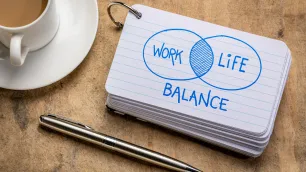
When we think of work-life balance, we often picture an even split between hours at work and hours at home. But real balance isn’t just about time, it’s about energy, mindset, and connection. You might be working fewer hours yet still feel drained, disconnected, or off-track.
A self-compassion check-in helps you see the full picture by looking through three key lenses: your physical energy, your mental space, and your emotional fulfillment. By viewing balance from these perspectives, you can catch small imbalances early and make kind, practical adjustments before burnout takes hold.
Lens 1: Physical Energy
Our bodies often send the first signals that something is out of sync, yet we tend to dismiss them. You may feel persistently fatigued despite adequate rest, notice tension becoming “normal,” or find yourself more frequently under the weather; classic signs that your physical resilience is wearing thin.
Physical energy isn’t just about how long you’re sleeping, it also depends on how well you’re fueling and moving your body, and whether you’re taking real breaks. Chronic workplace stress can manifest physically (1) through symptoms such as tension headaches, muscle tightness, sleep disturbances, and lowered immunity, showing how deeply it affects both health and performance
A useful guide is to track your energy levels for one week. Each morning and evening, rate your energy on a scale of 1 to 10. Notice patterns such as energy slumps after certain tasks or meetings, and make adjustments like adding a 5-minute walk or snack break
Lens 2: Mental Space
Even when your body feels okay, your mind may be stretched thin, and that load can sneak up on you. Heavy multitasking and continuous task-switching can make it hard to focus, reduce comprehension, and slow down productivity. Researchers have found that frequent media multitaskers perform worse (2) on simple memory tasks and show lower working memory and attention span compared to light multitaskers, highlighting the hidden cost of divided focus.
Additionally, studies explain that every time we switch from one task to another, we experience a “switch cost” (3), a momentary loss of efficiency and clarity, as the brain resets its focus. Even with routine tasks, mental overload builds up when we fail to give our attention the rest it needs.
A useful tool for mental space is to do a daily “mental unload.” Write down everything on your mind, from urgent deadlines to personal errands, then label each as urgent, can wait, or let go. This helps free up space and reduces the background stress of trying to remember everything.
Lens 3: Emotional Fulfillment
True balance involves more than avoiding exhaustion: it means being emotionally engaged and connected in both your work and personal life. If tasks that once energized you now feel dull, or if you’re pulling away from relationships, your emotional needs may be going unmet.
Emotional engagement is a powerful driver of employee productivity. A 2024 study (4) found that employees with strong emotional wellness had higher job satisfaction and productivity and reported fewer sick days overall. To restore emotional balance, reconnect with what lights you up—whether that’s quality time with loved ones, creative hobbies, or small acts of kindness. These moments of connection and purpose help anchor your well-being.
A useful tip is to schedule one activity each week purely for joy. Choose something that is not about achievement or productivity, such as cooking a favorite meal, exploring a new place, or listening to music, and allow yourself to be fully present.
Final Thoughts
Looking at your well-being through these three lenses gives you a fuller, more compassionate picture of your balance. It is not about perfect equilibrium every day, but about noticing when one area is under strain and taking small, intentional steps to restore it. Pick one of the three lenses, physical, mental, or emotional, and do a quick self-check today. What is one small change you can make this week to bring it back into balance?
We hope this article was helpful. For more information from iGROW CorpHealth, please visit their CPD Member Directory page. Alternatively, you can go to the CPD Industry Hubs for more articles, courses and events relevant to your Continuing Professional Development requirements.
REFERENCES
- https://www.verywellmind.com/physical-physiological-symptoms-of-stress-5270346?utm_source
- https://news.stanford.edu/stories/2018/10/decade-data-reveals-heavy-multitaskers-reduced-memory-psychologist-says?utm_source
- https://en.wikipedia.org/wiki/Task_switching_%28psychology%29?utm_source
- https://www.coffeepals.com/blog/does-emotional-engagement-truly-matter-in-the-workplace?utm_source