



This informal CPD article, ‘Time-Blocking Your Well-Being: Scheduling Self-Care as a Productivity Tool’, was provided by iGROW CorpHealth, partnering with Corporates to drive Employee Engagement through Holistic Health Solutions.
When imbalance shows up, like fatigue or dwindling joy in daily tasks, it is easy to push self‑care aside until there is “time.” But waiting for a perfect moment often means self‑care never happens. That is why scheduling self‑care into your day is a powerful, intentional act of compassion and efficiency.
Time‑blocking your wellbeing means putting it directly into your calendar, just like your most important work meetings. Research shows that structured routines that include self‑care reduce stress and improve mental clarity and emotional resilience (1).
Why You Need to Book Self-Care
Routines with structure create stability. A2022 review (2) showed that people who establish consistent self‑care patterns such as exercise, reflection, or creative outlets report better emotional health and more efficient use of personal and job resources. Time‑blocking ensures these self‑care routines become intentional and sustainable. It reinforces the idea of protecting your well-being by giving it the same priority as high-value work commitments.
Self-Care Enhances Professional Effectiveness
Self-care is not in opposition to work. It fuels it. In a national survey (3), Americans reported that practicing self-care increased their productivity by 67 percent, boosted confidence by 64 percent, and improved happiness by 71 percent.
Movement is another effective lever. Harvard Business Review (4) reported evidence from two studies that day to day physical activity generates resource gains that translate into better work performance. Similarly, a 2023 systematic review of worksite physical activity programs found improvements in worker health and workability, a key indicator that relates to productivity (5).
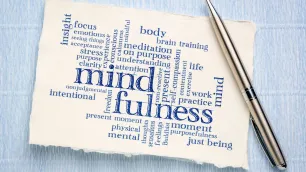
Mindfulness can help lower stress that undermines focus and output. Recent research shows mindfulness at work reduces threat perceptions of tasks and can lessen stress responses, supporting clearer attention and steadier performance (6). A useful way to achieve this is to build in small self-care moments - a brief walk, mindful breathing, or a creative pause. These micro-breaks are not indulgences; they are strategic moves that refresh your focus, restore energy, and boost how you perform at work.
Making Self-Care Real: Calendar Examples
Scheduling self-care does not have to be complicated. Small, intentional blocks can have a big impact:
- Morning reset: Set aside 10 minutes for mindful breathing, gentle stretching, or journaling to start the day with clarity.
- Midday recharge: Block 20 minutes to step outside for fresh air or enjoy an uninterrupted lunch away from screens.
- Evening joy: Reserve 30 minutes for creative expression, reading, or meaningful time with loved ones to wind down and restore energy.
Use color-coding in your calendar so these blocks stand out like essential meetings. If you notice a week filled with work tasks but no dedicated self-care time, treat that as a clear signal to adjust and rebalance your schedule.
Final Thoughts
Noticing when you are out of balance is the first step, but protecting your well-being requires deliberate action. Time-blocking is a simple yet powerful way to turn good intentions into lasting habits. By giving self-care a place on your calendar, you make a clear statement that your energy, focus, and health are priorities worth protecting. This commitment not only helps you feel better, but it also equips you to show up at your best for the people and work that matters most.
We hope this article was helpful. For more information from iGROW CorpHealth, please visit their CPD Member Directory page. Alternatively, you can go to the CPD Industry Hubs for more articles, courses and events relevant to your Continuing Professional Development requirements.
REFERENCES
- https://www.nm.org/healthbeat/healthy-tips/health-benefits-of-having-a-routine
- https://www.researchgate.net/publication/364680080_Self-care_at_Work_Matters_How_Job_and_Personal_Resources_mediate_between_Self-Care_and_Psychological_Well-being
- https://www.mentalhealthfirstaid.org/2022/03/how-and-why-to-practice-self-care/?utm_source
- https://hbr.org/2023/05/to-improve-your-work-performance-get-some-exercise?utm_source=chatgpt.com
- https://systematicreviewsjournal.biomedcentral.com/articles/10.1186/s13643-023-02258-6?utm_source=chatgpt.com
- https://www.sciencedirect.com/science/article/abs/pii/S019188692300315X?utm_source